Apple Watch Series 4
 Last modified December 21, 2024
When I bought the Apple Watch Series 4, it was the latest model. It was doing what it advertised, but my relationship with technology has changed since then. I used to be very far in the Apple ecosystem and very much into the quantified self when I got it. It burned me, so I’m trying to take a more distant approach to tech and the quantified self.
The device does what’s written on the tin, but I found it to be too high maintenance and too intrusive to be healthy
Why I got it
I got the device because I was locked into the Apple ecosystem and embraced it fully back then. I saw this device as an opportunity to quietly receive important notifications by vibrating on my wrist rather than my phone ringing or pinging loudly.
I was also very interested in getting a heart rate monitor to track my progress when exercising. Running was an important part of my life when I bought the device.
What I like
All your notifications on your wrist
The Watch delivers on the promise. You can get all your notifications on your wrist! As soon as something pops up on your phone, it will pop on your watch.
The Watch and the iPhone coordinate so that if you handle notifications on one device, you’re not notified on the other. These details make Apple products feel polished, even if you can’t exactly put your finger on why.
By default, the Watch emits a noise when receiving notifications. I disabled it and never turned it back on. I was happy to get a gentle vibration on the wrist when my attention was required.
Tracks workouts closely
The Apple Watch tracks the heart rate well, as far as I can tell. I have not been checking in a lab, but I could borrow a physician’s heart rate monitor to clamp on a finger, and both the Watch and the physician’s heart rate monitor roughly agreed.
The Watch is also a very good exercise tracker. I could access the various exercise tracking features with a few swipes. The Watch was on my wrist constantly, so it never missed a session!
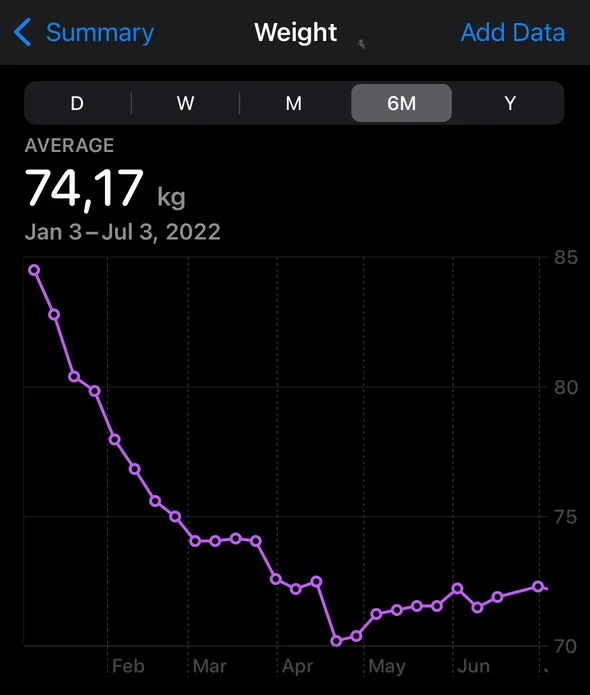
The Apple Health integration and Fitness activities were nudging me to exercise and keep my streaks. Seeing the data before my eyes, I had to be honest about whether I didn’t want to exercise when I had to. The fear of having a gap or breaking a streak was a powerful motivation. I even lost 15kg while tracking my indoor cycling activity with it!
As durable as tech can be
Wristbands can be swapped easily, and plenty of manufacturers are making cheap ones that are as good as Apple’s overpriced ones. This is particularly handy because you can wash a wristband after exercising and pick another one while the former dries.
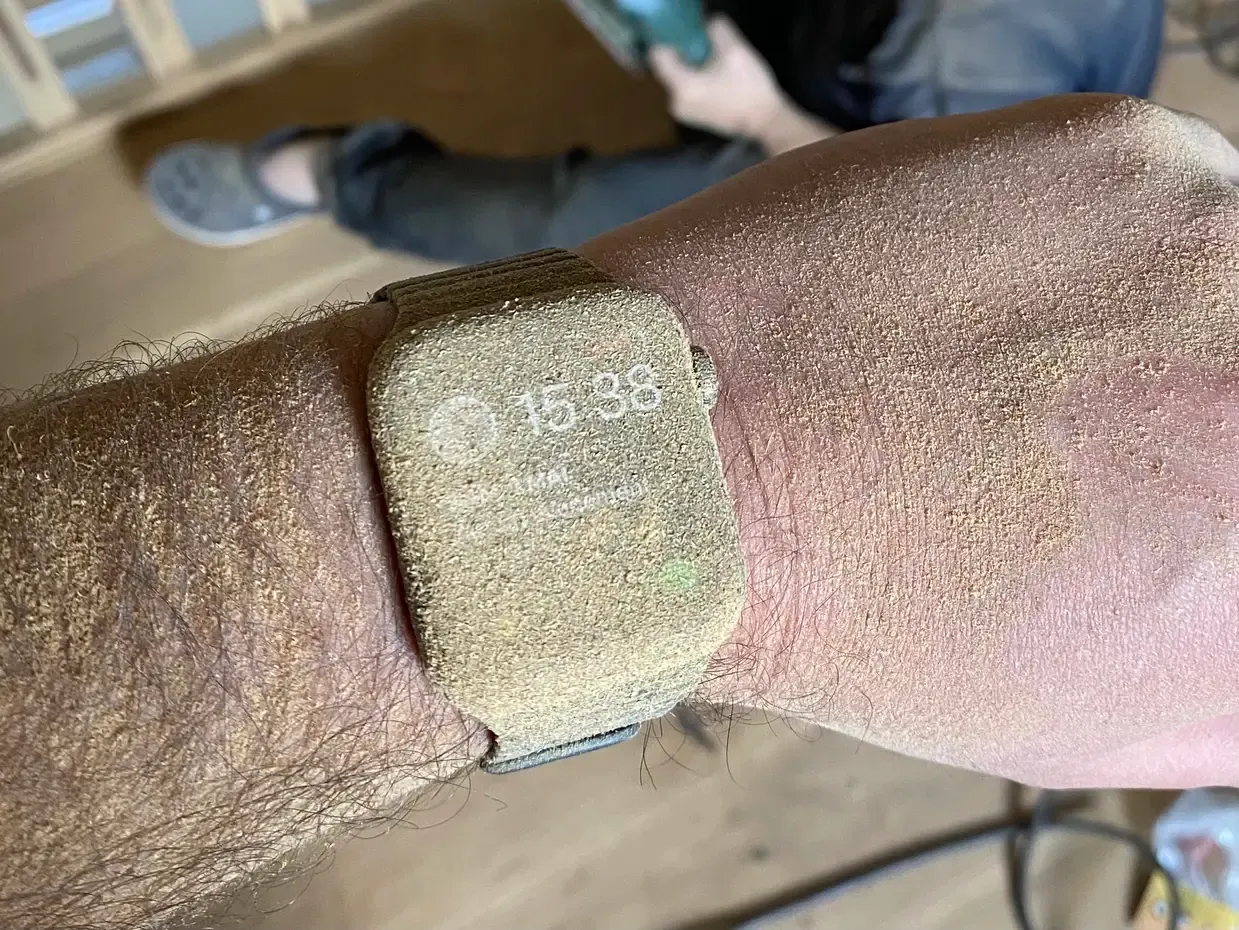
The Watch is also waterproof and rather durable. I scratched the screen, but that’s only because I got it through tough challenges, including DIY projects in the house.
Finally, by electronics manufacturer standards, Apple supports its Watches for a long time. The Apple Watch Series 4 was produced in 2018 and support for it was dropped in 2024, giving it 6 years of support. It remains disappointingly low, but most manufacturers can’t pretend to have that kind of longevity.
What I don’t like
All your notifications on your wrist
All your notifications are on your wrist. This can become an annoyance or even overwhelming, even if you try to control what you are notified of tightly.
I had my work calendar notifications on the watch, and it ended up pinging me so much that I have become completely oblivious to all notifications except calls.
Obsessing over data
At some point, I felt like I was exercising to keep the watch happy and to see the calorie counter increase. I didn’t focus on the pleasure of exercising but on burning calories and making sure the watch kept track of it.
I injured myself and overexercised because I wanted to reach quantified goals. I would have avoided the injuries if I had focused more on how I felt and less on the numbers. I can’t blame the Watch for tracking what I asked it to track.
But this fundamentally changed my relationship to the quantified self: It’s a tool, and giving it too much importance can be harmful.
It’s cumbersome
It’s not a “hands-free ” device unless you’re willing to speak out loud all your instructions. In practice, that is almost never the case for me. I don’t see myself dictating a text message or asking it to book a slot in my calendar if I’m in an office, on public transport, or anywhere else than in my home.
The Watch also needs to be charged daily, which is frankly annoying. It uses a magnetic charger and not a USB-C cable, so that’s one more bulky cable to bring with you.
FOMO & Planned Obsolescence
Apple releases new watches every year, and while it supports them for a “long” time, they are still expensive gadgets that need to be upgraded frequently because support will drop.
My Watch still worked when Apple dropped support for it. Apple, being what it is, doesn’t open its watch for communities to support them when it decides to move on.
Conclusion
Overall, the Watch delivers on the promise. It is rather durable and has disappointingly short manufacturer support, but the competition is doing much worse.
The Watch ended up being too invasive because of pervasive notifications and an emphasis on the quantified self. Both of those features make me work for the watch instead of being “present.”
Finally, it remains a high-maintenance device that needs to be replaced too regularly for me to be interested in it. I replaced it with a dumb watch that I’m much happier with.





 Comments